

Sleep Apnea Treatment in Calgary
If you’re waking up tired, snoring loudly, or struggling with CPAP therapy, you’re not alone.
Sleep apnea affects thousands of adults in Calgary — many of whom remain untreated or under-treated for years.
At BreatheWell Sleep & Airway, we specialize in personalized sleep apnea treatment that focuses on your airway,
breathing patterns, and comfort — not just managing symptoms.
Why Sleep Apnea Shouldn't Be Ignored
Sleep apnea is more than disrupted sleep or loud snoring—it’s a condition that repeatedly interrupts breathing throughout the night, placing ongoing stress on the body.
When left untreated, sleep apnea can affect nearly every system, often in ways that develop gradually and go unrecognized.
Untreated sleep apnea is linked to:
Daytime exhaustion and brain fog, caused by fragmented sleep and reduced oxygen levels, which can impair memory, focus, and reaction time
High blood pressure and heart disease, as repeated drops in oxygen activate stress responses that strain the cardiovascular system
Weight gain and insulin resistance, due to hormonal disruption that affects appetite, metabolism, and blood sugar regulation
Mood changes and poor concentration, including irritability, anxiety, low mood, and reduced mental clarity

For many people, snoring is the first warning sign of an underlying airway issue—but it’s rarely the full story. Breathing interruptions often occur silently, and symptoms may persist even in those who don’t snore loudly.
Early evaluation and treatment can help reduce health risks, restore energy, and support long-term airway and sleep health—before symptoms progress or become harder to manage.
Sleep Apnea
Treatment in Calgary
If you’re waking up tired, snoring loudly, or struggling with CPAP therapy, you’re not alone.
Sleep apnea affects thousands of adults in Calgary — many of whom remain untreated or under-treated for years.
At BreatheWell Sleep & Airway, we specialize in personalized sleep apnea treatment that focuses on your airway,
breathing patterns, and comfort — not just managing symptoms.
Why Sleep Apnea
Shouldn't Be Ignored
Sleep apnea is more than disrupted sleep or loud snoring—it’s a condition that repeatedly interrupts breathing throughout the night, placing ongoing stress on the body.
When left untreated, sleep apnea can affect nearly every system, often in ways that develop gradually and go unrecognized.
Untreated sleep apnea is linked to:
Daytime exhaustion and brain fog, caused by fragmented sleep and reduced oxygen levels, which can impair memory, focus, and reaction time
High blood pressure and heart disease, as repeated drops in oxygen activate stress responses that strain the cardiovascular system
Weight gain and insulin resistance, due to hormonal disruption that affects appetite, metabolism, and blood sugar regulation
Mood changes and poor concentration, including irritability, anxiety, low mood, and reduced mental clarity
For many people, snoring is the first warning sign of an underlying airway issue—but it’s rarely the full story. Breathing interruptions often occur silently, and symptoms may persist even in those who don’t snore loudly.
Early evaluation and treatment can help reduce health risks, restore energy, and support long-term airway and sleep health—before symptoms progress or become harder to manage.
A Different Approach to Sleep Apnea Treatment
Many sleep clinics rely primarily on CPAP therapy to manage obstructive sleep apnea. While CPAP can be clinically effective, long-term compliance remains a challenge for many patients due to comfort, tolerance, and lifestyle factors.
We take a broader, airway-centered approach to sleep apnea treatment.
Rather than focusing on symptom control alone, we assess the anatomical and functional factors that contribute to airway obstruction during sleep, including:
Jaw position, which influences airway space and stability
Airway structure, including size, shape, and areas of collapse
Breathing habits, such as nasal versus mouth breathing
Sleep posture, which can significantly affect airway patency
By evaluating how these factors interact, we are able to tailor treatment to how your body actually functions.
This individualized approach supports more sustainable outcomes and promotes long-term airway health, not just short-term symptom management.
A Different Approach to
Sleep Apnea Treatment
Many sleep clinics rely primarily on CPAP therapy to manage obstructive sleep apnea. While CPAP can be clinically effective, long-term compliance remains a challenge for many patients due to comfort, tolerance, and lifestyle factors.
We take a broader, airway-centered approach to sleep apnea treatment.
Rather than focusing on symptom control alone, we assess the anatomical and functional factors that contribute to airway obstruction during sleep, including:
Jaw position, which influences airway space and stability
Airway structure, including size, shape, and areas of collapse
Breathing habits, such as nasal versus mouth breathing
Sleep posture, which can significantly affect airway patency
By evaluating how these factors interact,
we are able to tailor treatment to how your body actually functions.
This individualized approach supports more sustainable outcomes
and promotes long-term airway health, not just short-term symptom management.
Our Sleep Apnea Treatment Options
Oral Appliance Therapy
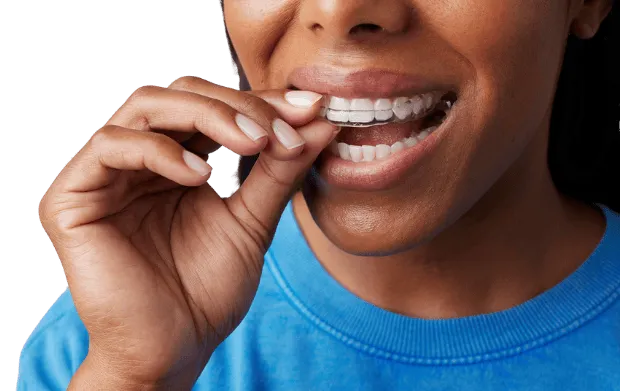
An Oral appliance is a custom-fitted dental device worn during sleep that gently repositions the lower jaw to help maintain an open and stable airway.
This therapy is commonly used in the management of obstructive sleep apnea and snoring, particularly in patients for whom CPAP therapy is not appropriate or well tolerated.
Best for Patients who:
Cannot tolerate CPAP due to comfort or compliance challenges
Travel frequently and require a portable, non-powered treatment option
Prefer a comfortable, non-invasive alternative to traditional CPAP therapy
Each appliance is individually designed and adjusted to optimize airway support while maintaining jaw comfort and long-term oral health.

Myofunctional Therapy
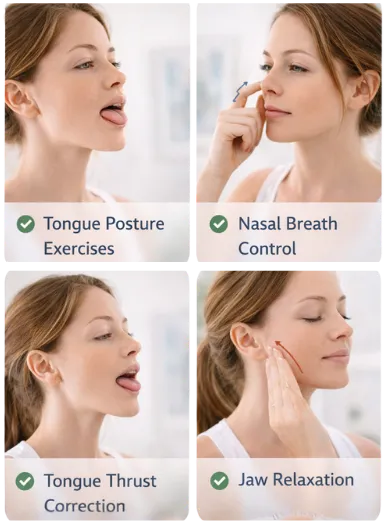
Myofunctional therapy consists of targeted neuromuscular exercises designed to strengthen and coordinate the muscles of the tongue, lips, soft palate, and airway. These exercises aim to improve breathing mechanics, promote nasal breathing, and reduce airway collapse during sleep.
When used as part of a comprehensive airway treatment plan, myofunctional therapy may support improved airway stability, enhanced treatment outcomes, and long-term airway function in both pediatric and adult patients.
Best for Patients who:
Exhibit mouth breathing or poor oral posture
Have mild to moderate obstructive sleep apnea
Experience airway collapse related to muscle tone
Are children with airway or craniofacial development concerns
By addressing the muscular and functional components of the airway, myofunctional therapy supports improved breathing patterns and long-term airway stability.
Airway & Craniofacial Evaluation
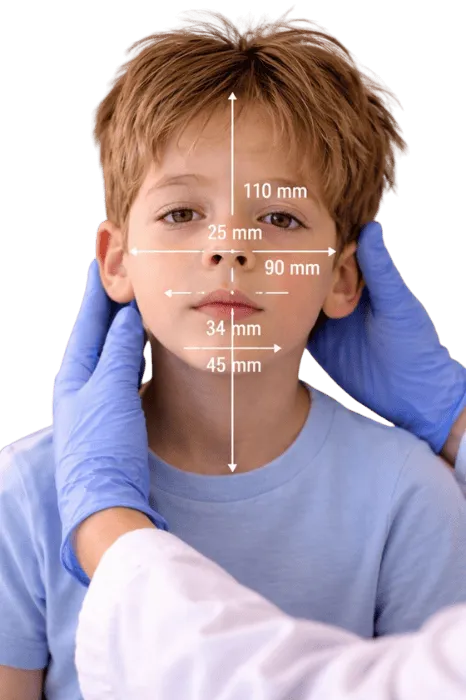
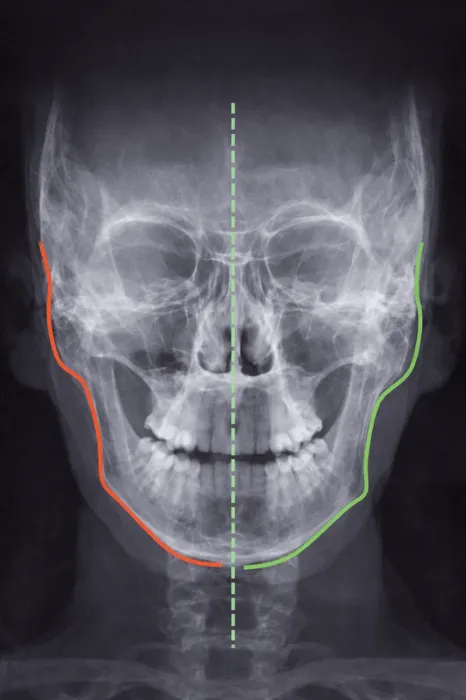
A comprehensive airway and craniofacial evaluation is used to identify structural and anatomical contributors to sleep-disordered breathing that are often overlooked in traditional sleep clinic assessments. This evaluation may include analysis of jaw position, facial growth patterns, airway dimensions, and breathing habits.
By identifying these underlying factors, we are able to develop more targeted, individualized treatment plans that address the root causes of airway dysfunction.
Best for Patients who:
Have persistent sleep apnea symptoms despite CPAP or other therapies
Present with jaw position, bite, or facial growth concerns
Experience snoring, airway obstruction, or breathing difficulties
Are children with suspected airway or developmental risk factors
Are seeking a more comprehensive airway-focused assessment
A thorough airway and craniofacial evaluation provides critical insight into the anatomical factors contributing to sleep-disordered breathing. By identifying these underlying contributors, this assessment allows for more precise, individualized treatment planning and supports a long-term, airway-focused approach to sleep apnea management.
Our Sleep Apnea
Treatment Options
Oral Appliance Therapy
An Oral appliance is a custom-fitted dental device worn during sleep that gently repositions the lower jaw to help maintain an open and stable airway.
This therapy is commonly used in the management of obstructive sleep apnea and snoring, particularly in patients for whom CPAP therapy is not appropriate or well tolerated.
Best for Patients who:
Cannot tolerate CPAP due to comfort or compliance challenges
Travel frequently and require a portable, non-powered treatment option
Prefer a comfortable, non-invasive alternative to traditional CPAP therapy
Each appliance is individually designed and adjusted to optimize airway support while maintaining jaw comfort and long-term oral health.
Myofunctional Therapy
Myofunctional therapy consists of targeted neuromuscular exercises designed to strengthen and coordinate the muscles of the tongue, lips, soft palate, and airway. These exercises aim to improve breathing mechanics, promote nasal breathing, and reduce airway collapse during sleep.
When used as part of a comprehensive airway treatment plan, myofunctional therapy may support improved airway stability, enhanced treatment outcomes, and long-term airway function in both pediatric and adult patients.
Best for Patients who:
Exhibit mouth breathing or poor oral posture
Have mild to moderate obstructive sleep apnea
Experience airway collapse related to muscle tone
Are children with airway or craniofacial development concerns
By addressing the muscular and functional components of the airway, myofunctional therapy supports improved breathing patterns and long-term airway stability.
Airway & Craniofacial Evaluation
A comprehensive airway and craniofacial evaluation is used to identify structural and anatomical contributors to sleep-disordered breathing that are often overlooked in traditional sleep clinic assessments. This evaluation may include analysis of jaw position, facial growth patterns, airway dimensions, and breathing habits.
By identifying these underlying factors, we are able to develop more targeted, individualized treatment plans that address the root causes of airway dysfunction.
Best for Patients who:
Have persistent sleep apnea symptoms despite CPAP or other therapies
Present with jaw position, bite, or facial growth concerns
Experience snoring, airway obstruction, or breathing difficulties
Are children with suspected airway or developmental risk factors
Are seeking a more comprehensive airway-focused assessment
A thorough airway and craniofacial evaluation provides critical insight into the anatomical factors contributing to sleep-disordered breathing. By identifying these underlying contributors, this assessment allows for more precise, individualized treatment planning and supports a long-term, airway-focused approach to sleep apnea management.
Who We Help
We provide airway-focused sleep care for a wide range of patients, including:

Adults with mild to severe sleep apnea
Patients diagnosed with mild to severe obstructive sleep apnea who are seeking effective, evidence-informed treatment options beyond standard CPAP therapy.
CPAP-intolerant patients
Individuals who have been prescribed CPAP but struggle with comfort, tolerance, or long-term compliance, and are looking for alternative, non-invasive approaches to sleep apnea management.
Loud snorers with daytime fatigue
Patients who experience chronic snoring accompanied by excessive daytime sleepiness, fatigue, or reduced cognitive performance, often associated with underlying airway obstruction or sleep-disordered breathing.
Patients seeking non-invasive solutions
Individuals interested in conservative, non-surgical treatment options that address airway function while prioritizing comfort, safety, and long-term adherence.
Who We Help
We provide airway-focused sleep care for a wide range of patients, including:
Adults with Sleep Apnea
(mild - moderate)
Patients diagnosed with mild to moderate obstructive sleep apnea who are seeking effective, evidence-informed treatment options beyond standard CPAP therapy.
CPAP-intolerant patients
Individuals who have been prescribed CPAP but struggle with comfort, tolerance, or long-term compliance, and are looking for alternative, non-invasive approaches to sleep apnea management.
Loud snorers with daytime fatigue
Patients who experience chronic snoring accompanied by excessive daytime sleepiness, fatigue, or reduced cognitive performance, often associated with underlying airway obstruction or sleep-disordered breathing.
Patients seeking non-invasive solutions
Individuals interested in conservative, non-surgical treatment options that address airway function while prioritizing comfort, safety, and long-term adherence.
What to Expect
Comprehensive airway & sleep assessment
Your visit begins with a thorough airway and sleep assessment focused on identifying factors contributing to sleep-disordered breathing. This includes a detailed review of symptoms, medical history, breathing patterns, airway anatomy, and functional contributors to airway obstruction.
Review of sleep study results (if available)
If you have completed a sleep study, we will review your results in detail to better understand the severity and characteristics of your sleep apnea or related sleep concerns. If no prior study is available, we will help determine whether further diagnostic testing may be appropriate.
Personalized treatment plan
Based on your assessment findings, we develop an individualized treatment plan tailored to your specific airway structure, functional needs, and lifestyle considerations. Treatment recommendations focus on non-invasive, airway-centered solutions designed to support long-term effectiveness and adherence.

Comprehensive airway & sleep assessment
Your visit begins with a thorough airway and sleep assessment focused on identifying factors contributing to sleep-disordered breathing. This includes a detailed review of symptoms, medical history, breathing patterns, airway anatomy, and functional contributors to airway obstruction.
What to Expect
Comprehensive airway & sleep assessment
Your visit begins with a thorough airway and sleep assessment focused on identifying factors contributing to sleep-disordered breathing. This includes a detailed review of symptoms, medical history, breathing patterns, airway anatomy, and functional contributors to airway obstruction.
Review of sleep study results (if available)
If you have completed a sleep study, we will review your results in detail to better understand the severity and characteristics of your sleep apnea or related sleep concerns. If no prior study is available, we will help determine whether further diagnostic testing may be appropriate.
Personalized treatment plan
Based on your assessment findings, we develop an individualized treatment plan tailored to your specific airway structure, functional needs, and lifestyle considerations. Treatment recommendations focus on non-invasive, airway-centered solutions designed to support long-term effectiveness and adherence.
Comprehensive airway & sleep assessment
Your visit begins with a thorough airway and sleep assessment focused on identifying factors contributing to sleep-disordered breathing. This includes a detailed review of symptoms, medical history, breathing patterns, airway anatomy, and functional contributors to airway obstruction.
Book a Sleep Apnea Assessment
If you or your child struggles with snoring, mouth breathing, poor sleep, or sleep apnea symptoms, an airway-focused evaluation is the first step.
Book a Sleep Apnea Assessment
If you or your child struggles with snoring, mouth breathing, poor sleep, or sleep apnea symptoms, an airway-focused evaluation is the first step.
👉 Book Your Sleep Apnea Assessment in Calgary
Connect With Us
We Look Forward to meeting you!
Request An Appointment
By selecting Submit below, you are agreeing that we may contact you regarding your request.
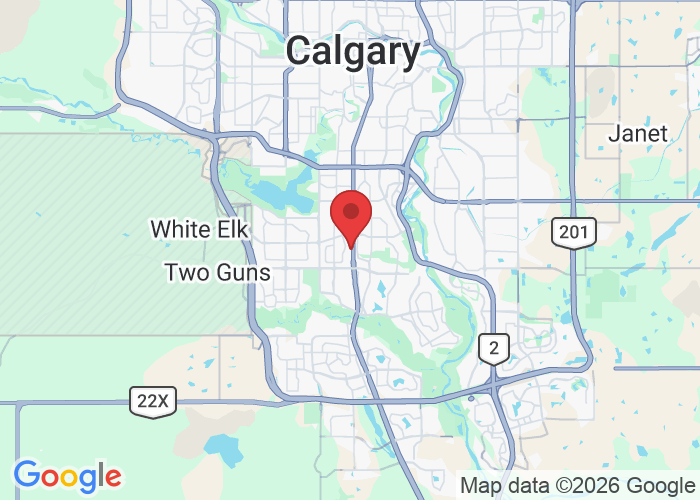
A Specialized Airway and Sleep Apnea Clinic in Calgary, AB.
Located in Symmetry Dental


Copyright 2026. BreatheWell Sleep and Airway. All Rights Reserved.
Connect With Us
We Look Forward to Meeting You!
Request An Appointment
By selecting Submit below, you are agreeing that we may contact you regarding your request.
Copyright 2026. BreatheWell Sleep and Airway. All Rights Reserved.