
Calgary Migraine Weather: Chinooks, Headaches & Medical Botox

You see the chinook arch stretch across the western sky. The snow starts melting by noon. And by dinner, your head is pounding.
If that sounds familiar, you're not imagining it. Calgary's weather is famous for headaches, and for many people it's a real, recurring trigger. Here's what's going on, and how therapeutic Botox at BreatheWell Sleep and Airway can take some of the pressure off.
Quick Takeaways
Chinooks are a known migraine trigger in Calgary. University of Calgary research found migraines were more likely on the day before a chinook and on high-wind chinook days.
Weather is rarely the only trigger. Jaw clenching, tight facial and neck muscles, and poor sleep can lower your headache threshold, so a weather change tips you over.
Medical Botox is different from cosmetic Botox. It targets overactive muscles to relieve pain, clenching, and tension, not wrinkles.
Results build over a few weeks and typically last about three months, which can cover a whole chinook season.
Therapeutic Botox is available in SW Calgary at BreatheWell, with Dr. Saleema Adatia, DMD, DABDSM.
Why Calgary Is Headache Country
Calgary sees roughly 30–35 chinook days a year. As warm, dry air rushes down the Rockies, temperatures can jump by 20°C or more in a matter of hours. Barometric pressure shifts and strong winds come with it.
For people with migraine, that rapid change can be enough to set off an attack. Some feel it the day before the chinook arrives. Others notice it once the wind picks up.
What the Research Says About Chinooks and Migraine
Calgary is one of the few places where this has been studied directly. A University of Calgary study published in Neurology followed migraine patients through chinook season. It found the odds of a migraine rose on pre-chinook days and on high-wind chinook days. Not everyone was affected, but a meaningful group was clearly weather-sensitive.
University of Calgary researchers have since looked at chinooks and migraine in children and teens as well. The takeaway for Calgarians: if chinooks feel like a trigger for you, there's science behind it.
Weather Loads the Gun. Your Jaw and Sleep Can Pull the Trigger.
You can't stop a chinook. But you can lower how many other triggers are stacked up when it arrives. At BreatheWell, we often see three working together:
Clenching and grinding. Overworked jaw muscles (the masseters and temporalis) can refer pain into the temples, forehead, and around the eyes.
Muscle tension. Tight jaw, face, and neck muscles keep your pain system on high alert.
Poor or disrupted sleep. Snoring and sleep apnea are linked to morning headaches, and broken sleep is a common migraine trigger.
When these are calmed down, a weather swing has less to build on.
Medical Botox vs. Cosmetic Botox
Medical (therapeutic) Botox | Cosmetic Botox | |
|---|---|---|
Goal | Relieve pain, clenching, and muscle tension | Smooth lines and wrinkles |
Common treatment areas | Jaw (masseter), temples, forehead, neck | Forehead, frown lines, crow's feet |
Who it helps | People with clenching, TMJ pain, tension, or recurring headaches | People seeking a refreshed appearance |
How it's planned | Based on a clinical exam of your muscles, jaw, and bite | Based on facial aesthetics |
Both use the same medicine. The difference is where it goes and why.
How Therapeutic Botox Can Help with Headaches and Jaw Pain
Therapeutic Botox temporarily relaxes overactive muscles by calming the nerve signals that make them contract. For headache sufferers, that can mean:
Less clenching and grinding, especially at night
Relief from jaw and TMJ-related muscle pain
Fewer tension-driven headaches in the temples and forehead
A lower overall "trigger load" heading into chinook season
Botox is also approved by Health Canada as a preventive treatment for chronic migraine. That's typically defined as 15 or more headache days a month. If that describes you, ask us whether medical Botox fits your care plan alongside your physician.
What to Expect at Your Visit
Assessment. Dr. Adatia reviews your headache pattern, sleep, and jaw history. She examines your jaw muscles, joints, and bite. When needed, she adds a craniofacial evaluation.
Treatment. A few quick injections are placed into the target muscles with a fine needle. Most appointments take under 30 minutes, and you can go back to your day right after.
Results. Most people notice a change within one to two weeks. Effects typically last about three months, so many patients book ahead of chinook season.
Lasting support. Botox works best as part of a bigger plan. Myofunctional therapy and breathing re-education can reduce clenching habits. If sleep apnea is part of the picture, oral appliance therapy can improve your sleep and reduce nighttime grinding.
Your Chinook-Season Game Plan
Track it. Log your headaches next to the weather for a month. Patterns show up fast.
Watch the forecast. On pre-chinook days, protect your sleep, hydrate, and don't skip meals.
Notice your jaw. Clenching during stress or screen time adds to the load. Lips together, teeth apart.
Fix your sleep. Loud snoring or waking up unrefreshed is worth checking.
Time your treatment. If Botox is right for you, plan it so it peaks when chinooks are most frequent.
Cost and Coverage
Medical Botox is priced by treatment area and the amount needed, so your cost depends on your plan. Some extended health benefit plans cover therapeutic Botox when it's for a medical reason. We'll walk you through your options before treatment. For more, see our cost and insurance page.
Book Therapeutic Botox in Calgary
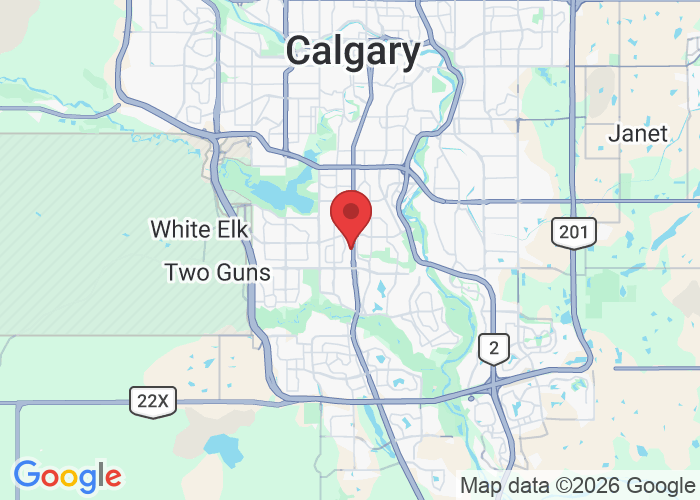
BreatheWell Sleep and Airway is located inside Symmetry Dental at #150, 10601 Southport Road SW, Calgary. We see patients from across the city, including Southwood, Haysboro, Acadia, Lake Bonavista, and Willow Park.
Don't let the next chinook decide your week. Request an appointment online or call (403) 225-4459.
This article is for general education. Sudden, severe, or new headaches need prompt medical attention. Please see your physician or go to emergency care.
Frequently Asked Questions
Do chinooks really cause migraines in Calgary? For many people, yes. University of Calgary research found migraines were more likely the day before a chinook and on high-wind chinook days. Not everyone is weather-sensitive, but many Calgarians are.
Why does Calgary weather give me headaches? Chinooks bring fast temperature jumps, barometric pressure changes, and strong winds. Those rapid shifts can trigger migraines in sensitive people, especially when other triggers like poor sleep or jaw clenching are already present.
What is medical Botox? Medical Botox, also called therapeutic Botox, uses the same medicine as cosmetic Botox to relax overactive muscles. It's used to relieve pain, clenching, and muscle tension rather than wrinkles.
Can Botox help with migraines and headaches? Botox is approved by Health Canada as a preventive treatment for chronic migraine. Therapeutic Botox in the jaw and temples can also ease clenching-related and tension headaches.
How long does therapeutic Botox last? Most people notice results within one to two weeks. Effects typically last about three months.
Does a dentist offer Botox for jaw clenching and TMJ pain? Yes. Dentists trained in therapeutic Botox can treat the jaw muscles involved in clenching, grinding, and TMJ-related pain. At BreatheWell, this is part of a full jaw, airway, and sleep assessment.
Is medical Botox covered by insurance in Alberta? Some extended health benefit plans cover therapeutic Botox when it's for a medical reason. Check your plan, and we can help you understand your options.
Do I need a referral for therapeutic Botox at BreatheWell? No referral is required to book. Dentists and physicians can also refer patients through our referrals page.