

How long does it take for an Oral Appliance for Sleep Apnea to work?
How long an oral appliance for sleep apnea takes to work depends on your body, your diagnosis, and how consistently you wear it, but most patients start noticing changes in their snoring and sleep quality within the first few nights to a few weeks. Full therapeutic benefit is typically evaluated over several weeks to a few months using follow‑up sleep testing and dentist‑led adjustments.
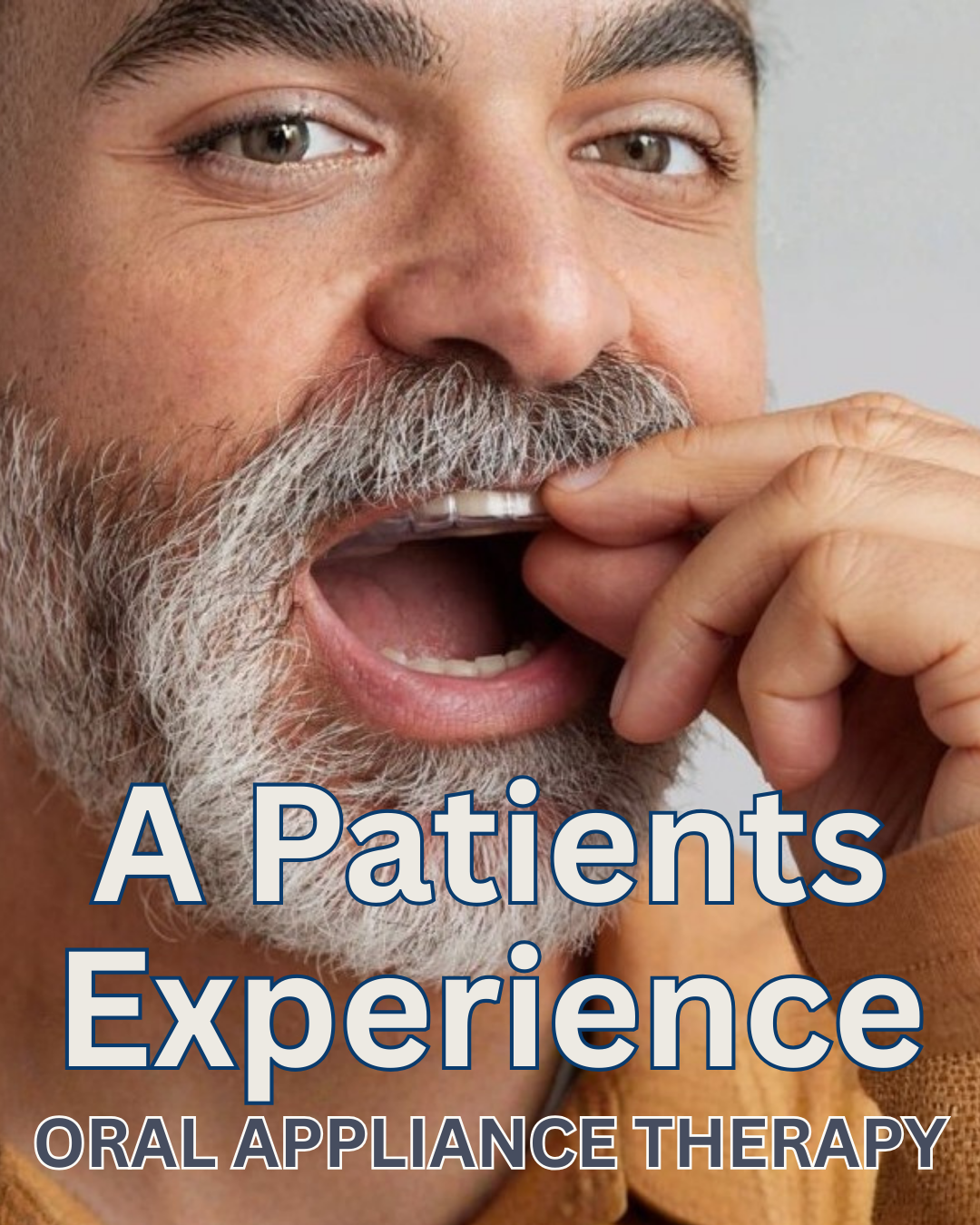
How an oral appliance works
A custom oral appliance (often called a sleep apnea mouthpiece or snoring mouthguard) gently repositions your lower jaw and tongue forward while you sleep. This helps keep the airway from collapsing, reducing snoring and obstructive breathing events throughout the night.
Unlike a generic sports mouthguard, a prescription snoring mouthguard is precisely fitted, adjustable, and designed specifically to treat obstructive sleep apnea. It is usually recommended for adults with mild to moderate sleep apnea, or for those who cannot tolerate CPAP and want sleep apnea treatment without CPAP.
At BreatheWell’s sleep clinic Calgary, oral appliance therapy is part of a broader, airway‑focused approach that looks at your whole health, not just your snoring.
What to expect in the first month
Most people want to know: “When will I actually feel a difference?” The answer is that improvements roll out in phases rather than all at once.
First few nights
Weeks 2–4
Beyond the first month
A follow‑up sleep study (often a home sleep apnea test) is typically used after several weeks or months to objectively measure how well your appliance is working.
Long‑term studies show that oral appliances can continue to reduce apnea events and improve oxygen levels over many years when patients stay consistent with use.
If you are curious about how those follow‑up sleep studies work, you can read this blog post: Your guide to sleep studies in Calgary
Factors that influence your timeline
Every airway is different, so two patients starting oral appliance therapy at the same time can notice benefits on very different timelines. Key factors include:
Sleep apnea severity
Consistency and fit
Lifestyle and health
Weight, nasal congestion, sleeping position, alcohol use near bedtime, and other medical conditions can all affect how quickly you feel better.
Some patients use an oral appliance as part of a broader plan that may include breathing re‑education, myofunctional therapy, or weight loss to support long‑term airway health.
How progress is measured (not just “how you feel”)
Feeling better is important, but objective data helps confirm that your sleep apnea treatment without CPAP is actually working for your health and long‑term risk reduction. At a sleep clinic Calgary that focuses on airway health, monitoring usually includes:
Symptom check‑ins
Home sleep apnea test
A home sleep apnea test is commonly used to confirm your diagnosis before treatment and to re‑measure your apnea‑hypopnea index (AHI) with your oral appliance in place.
Comparing “before and after” data shows how much your breathing events, oxygen levels, and sleep quality have improved with your sleep apnea mouthpiece.
When oral appliance therapy might not be enough
For some patients, an oral appliance alone does not fully control moderate to severe sleep apnea, especially if there are complex medical factors or very high baseline AHI. In these cases, your sleep team might recommend a combination approach.
Combination with CPAP or other therapies
Ongoing follow‑up
Because anatomy, weight, and health can change over time, regular follow‑up helps ensure your treatment stays effective for years, not just weeks.
If your symptoms return or worsen, a repeat home sleep apnea test can determine whether your appliance needs further adjustment or a different solution is needed.
Next steps if you are considering an oral appliance
If you snore loudly, wake unrefreshed, or suspect sleep apnea, the first step is to understand what is happening in your sleep before choosing a therapy. A comprehensive assessment at a sleep clinic Calgary can help you decide whether a snoring mouthguard or sleep apnea mouthpiece is right for you.
Here is a typical path for patients at an airway‑focused sleep clinic:
Initial consultation
Testing and diagnosis
Custom appliance and follow‑up
Throughout your journey, you can also explore other services on the BreatheWell site that support airway and sleep health, such as their main sleep apnea clinic Calgary page and the broader sleep education resources on their blog